Pneumonia: Causes, Symptoms, and Treatment
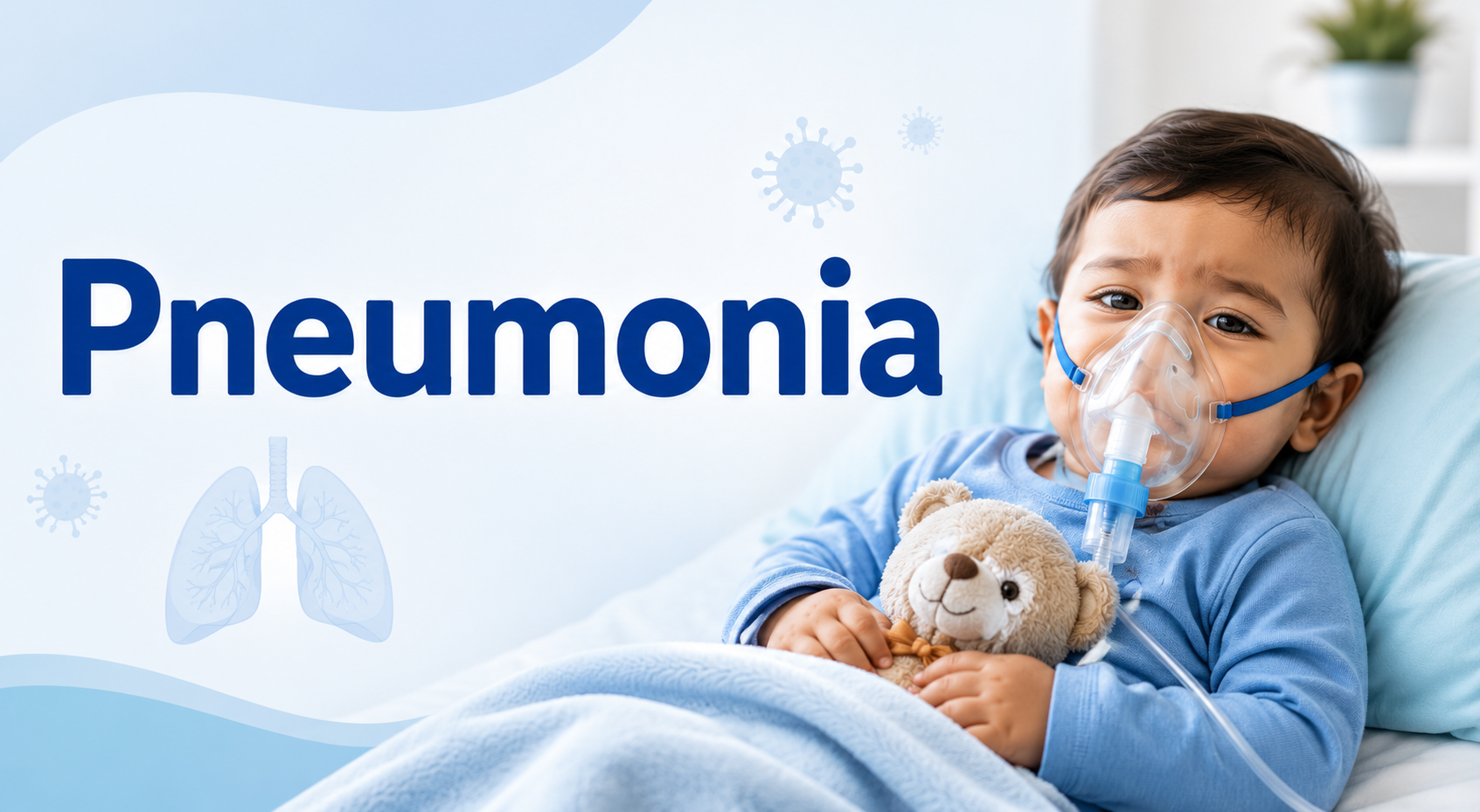
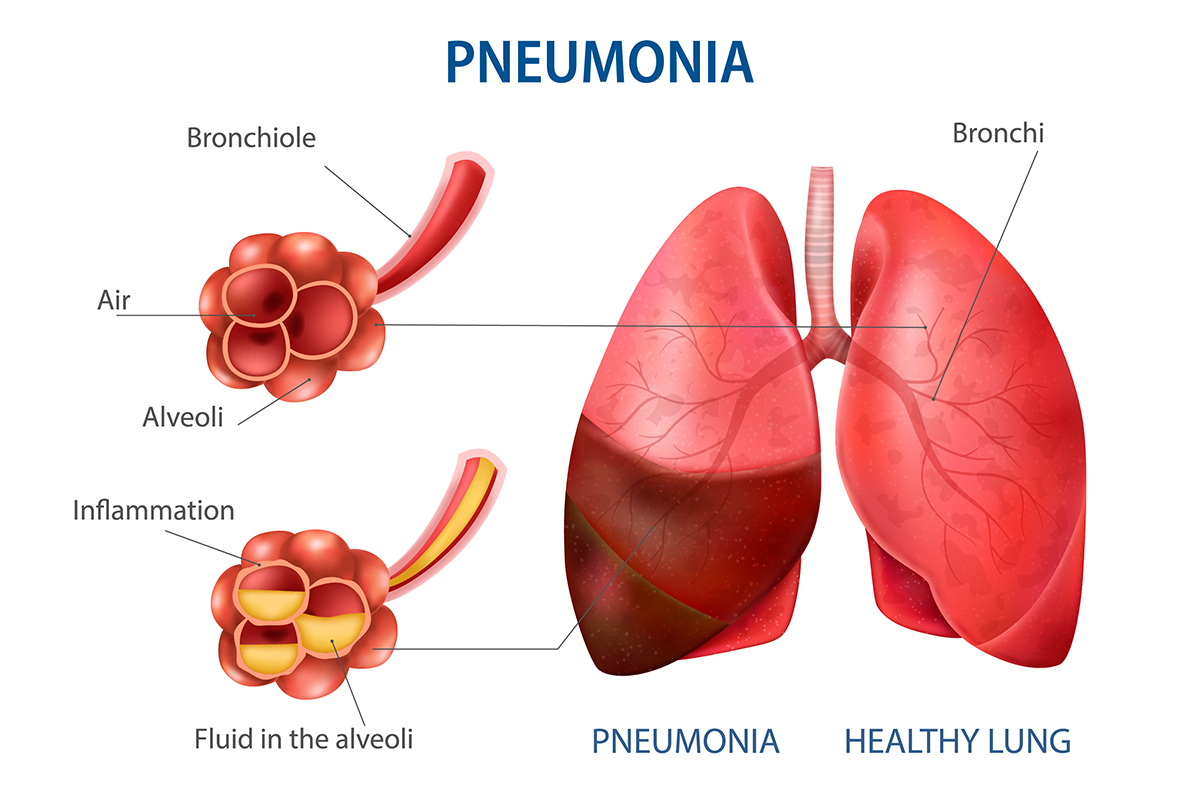
Pneumonia is an infection that inflames the air sacs in one or both lungs. The air sacs may fill with fluid or pus, causing cough with phlegm or pus, fever, chills, and difficulty breathing. Pneumonia can range from mild to life-threatening, and it is most serious for infants, young children, people older than 65, and people with underlying health conditions or weakened immune systems.
Make AppointmentWhat Causes Pneumonia?
Pneumonia can be caused by a variety of organisms, including:
- Bacteria — Streptococcus pneumoniae is the most common cause of bacterial pneumonia in the United States.
- Viruses — Including influenza and respiratory syncytial virus (RSV); COVID-19 can also cause viral pneumonia.
- Fungi — More common in people with chronic health problems or weakened immune systems, or those who have inhaled large amounts of certain organisms.
- Mycoplasma — Cause milder symptoms than other types and are sometimes called "walking pneumonia."
Pneumonia is classified based on where or how it was acquired:
- Community-acquired pneumonia — Contracted outside of a hospital or healthcare facility.
- Hospital-acquired pneumonia — Develops during a hospital stay; can be more serious due to antibiotic-resistant bacteria.
- Healthcare-acquired pneumonia — Occurs in people receiving care in outpatient clinics, nursing homes, or dialysis centers.
- Aspiration pneumonia — Occurs when food, liquid, or vomit is inhaled into the lungs.
Symptoms of Pneumonia
Symptoms can vary depending on the cause, age, and overall health, and may include:
- Cough, which may produce phlegm
- Fever, sweating, and chills
- Shortness of breath
- Rapid, shallow breathing
- Sharp or stabbing chest pain that worsens with deep breathing or coughing
- Fatigue and loss of appetite
- Nausea, vomiting, or diarrhea (more common in young children)
- Confusion, especially in older adults
Newborns and infants may not show typical symptoms and may instead appear restless, tired, or have difficulty feeding.
Risk Factors
Certain groups face a higher risk of developing pneumonia or experiencing severe complications:
- Infants from birth to age 2 and adults age 65 or older
- People with chronic conditions such as asthma, COPD, or heart disease
- Smokers or those exposed to secondhand smoke
- People with weakened immune systems (due to HIV/AIDS, chemotherapy, organ transplant, or long-term steroid use)
- People who are hospitalized, especially in an ICU or on a ventilator
Diagnosis
Doctors typically diagnose pneumonia by reviewing symptoms and medical history, followed by a physical exam that includes listening to the lungs. Additional tests may include:
- Chest X-ray
- Blood tests
- Pulse oximetry (to measure blood oxygen levels)
- Sputum test
- CT scan (for more detailed imaging)
- Pleural fluid culture (if fluid has collected around the lungs)
Treatment
Treatment depends on the type and severity of pneumonia:
- Bacterial pneumonia is treated with antibiotics.
- Viral pneumonia is treated with rest, fluids, and sometimes antiviral medication; antibiotics are not effective against viruses.
- Fungal pneumonia is treated with antifungal medication.
Supportive care often includes fever reducers, pain relievers, and cough medicine. Severe cases may require hospitalization for oxygen therapy, intravenous antibiotics, or breathing assistance.
Most people begin to feel better within a few days to a week, though fatigue can linger for a month or more.
Prevention
- Vaccination — Pneumococcal vaccines and annual flu shots can lower the risk of pneumonia.
- Good hygiene — Regular handwashing helps prevent the spread of respiratory infections.
- Avoid smoking — Smoking damages the lungs' ability to defend against infection.
- Healthy lifestyle — Adequate sleep, a balanced diet, and regular exercise support immune health.
- Manage chronic conditions — Keeping conditions like diabetes or asthma under control reduces risk.

Welcome to official website of Rainbow Children's Clinic and Vaccination Center. We specialize in providing quality services in Pediatrics in Hadapsar, Pune.

Palacino Apartments, Ground floor ( C wing), 100 metres from Pune - Solapur Road, behind Vaibhav theater,turn from Mahesh Bank/Mittal jwellers, Hadapsar, Pune, Maharashtra 411028
+91 95953 21123